New Penalty and Overtime Rates Bill
The Labor Government has introduced the Fair Work Amendment (Protecting Penalty and Overtime Rates) Bill 2025, reinforcing its commitment to protect penalty and overtime pay for millions of workers.
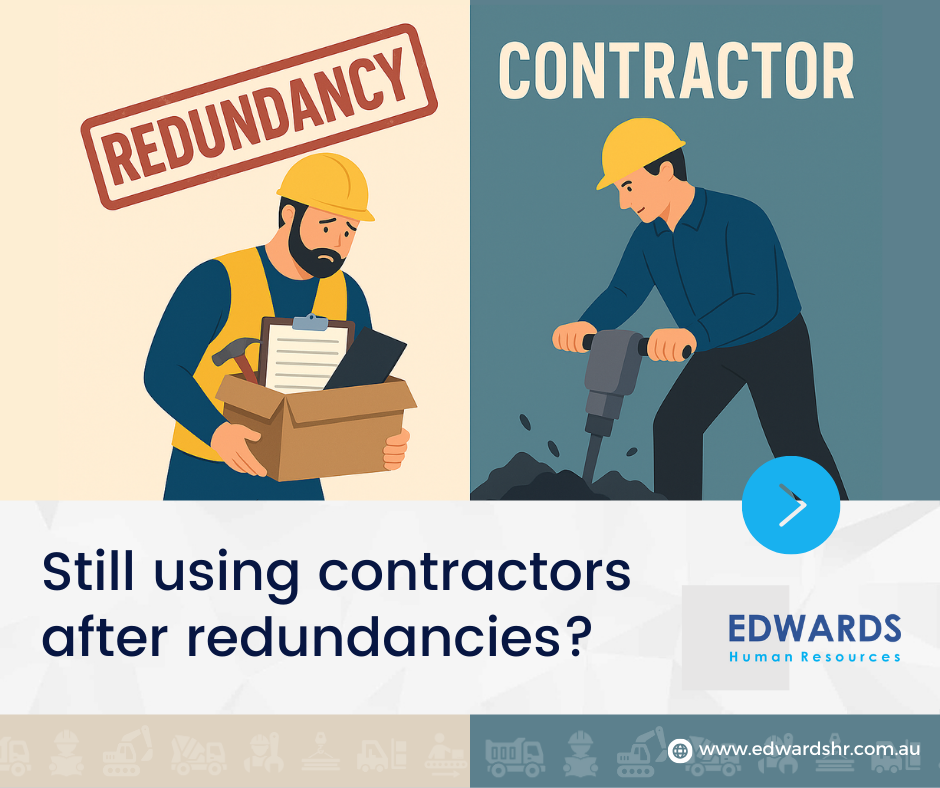
Helensburgh Coal Breaches Fair Work Act – Redundancy Gone Wrong
Redundancy must be genuine. The Helensburgh Coal case shows the risks of ignoring redeployment and labour hire obligations.
Review of part-time employment in 11 modern awards underway
Fair Work Commission to review how part-time employment is defined, managed, and paid. This review could bring important changes to contracts, rostering, and pay for part-time staff across key industries.
FWO sues company for failure to pay unfair dismissal compensation to pregnant worker
A NSW business is in hot water after allegedly ignoring a Fair Work Commission order to pay compensation to a pregnant worker who was unfairly dismissed.
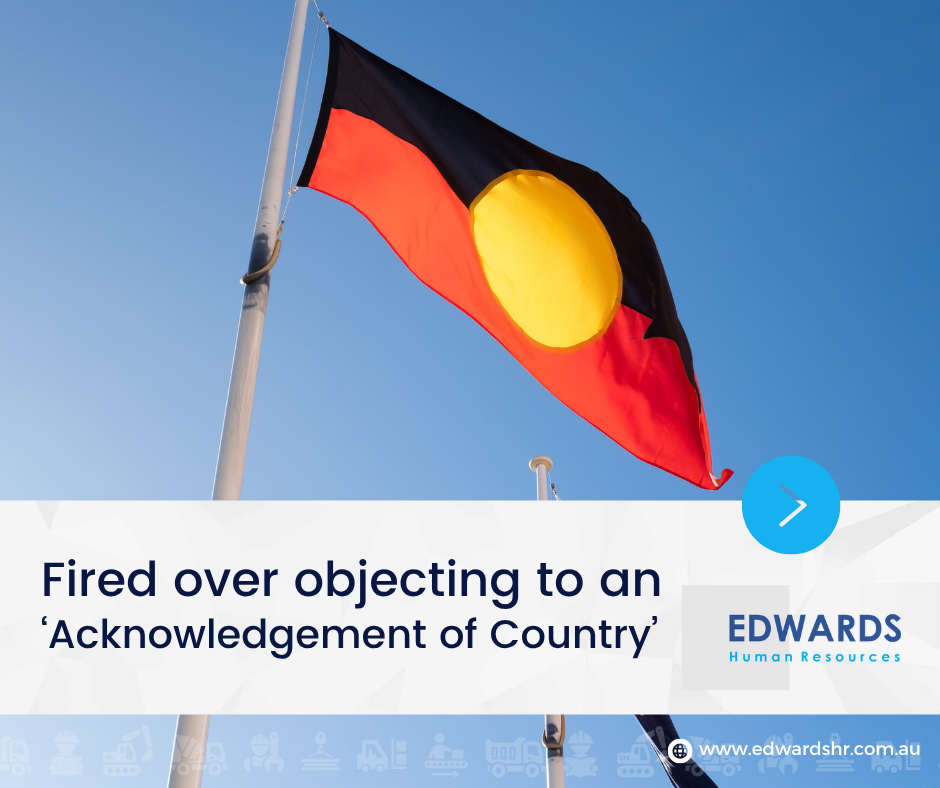
Driver Sacked for objecting to an Acknowledgement of Country
Questioning an Acknowledgement of Country during a toolbox meeting was one of the factors in an employee’s dismissal. The Fair Work Commission found the termination to be ….
FWC Rejects Unfair Termination Application from Transport Director
In its first ruling under new laws allowing road transport contractors to challenge terminations, the Fair Work Commission decided a delivery company director wasn’t protected because he wasn’t doing most of the work himself.

How much is staff turnover really costing your business and what can you do about it?
In Australia, 1.1 million people changed jobs in the year ending Feb 2024. That’s 8% of the workforce and every exit comes at a cost. From recruitment delays to lost productivity, employee turnover could be costing you $23K–$60K+ per person. Here’s what’s driving it and what you can do about it.

ABC Ordered to Pay $70K for Unlawful Termination
Fired Over a Social Media Post? This case shows the risks of unclear policies and external pressure influencing employment decisions and a reminder that even casual employees are protected under the Fair Work Act.

Griffith University to Repay $8.34M in Underpayments
One of the largest self-reports in the sector. Find out what caused the payroll errors, what the Fair Work Ombudsman is requiring, and what steps employers can take to avoid similar risks.

CONFIRMED Wages and Super Increase from 1 July 2025
From 1 July 2025, there will be a 3.5% increase to Award wages. Superannuation is also increasing to 12%. Here’s everything employers need to know.

Christmas Workplace Planning Guide for Employers
From shutdown arrangements and employee leave to rostering, public holidays and Christmas parties, a little planning now can save you a few headaches later.

Can I stand down an employee without pay?
Stand downs without pay are only permitted in certain circumstances, and getting the requirements wrong can leave an employer facing a dispute or claim.
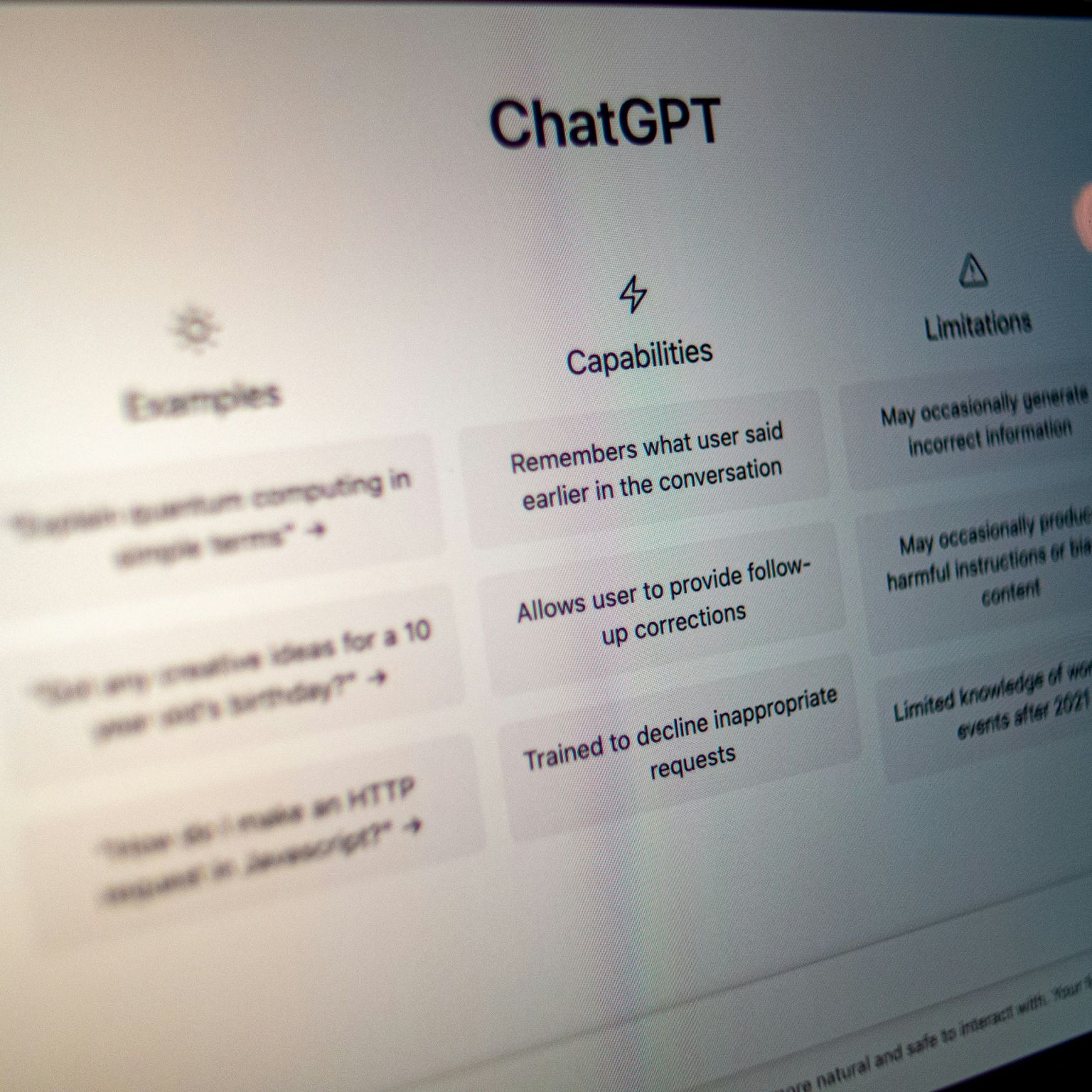
Is AI about to change the way workplace claims are handled?
The use of AI in the workplace is evolving quickly, and it’s worth understanding both the opportunities and the risks.

What happens if I underpay employees?
If you discover an underpayment, acting quickly is essential. Here’s what employers need to know about their obligations and the steps they should take to resolve the issue.

Sick Leave is not the same as Compassionate Leave
Compassionate leave is separate from personal/carer’s leave and applies to all employees, including casuals.

Victoria’s New ‘Right to Work From Home’ Laws: What Employers Need to Know
If passed, eligible employees may be entitled to work from home up to two days per week, with employers required to justify why workplace attendance is necessary. Learn what the proposed reforms mean for your business and how to prepare.
Queensland Long Service Leave Exposure May Start Earlier Than Employers Think
A recent ruling found that an employee who worked in Queensland for less than three weeks was still entitled to Queensland long service leave.
Do I have to give my employee a copy of their contract if they request it?
In Australia, there is no general legal requirement that says you must hand over a copy of the employment contract just because an employee requests it.
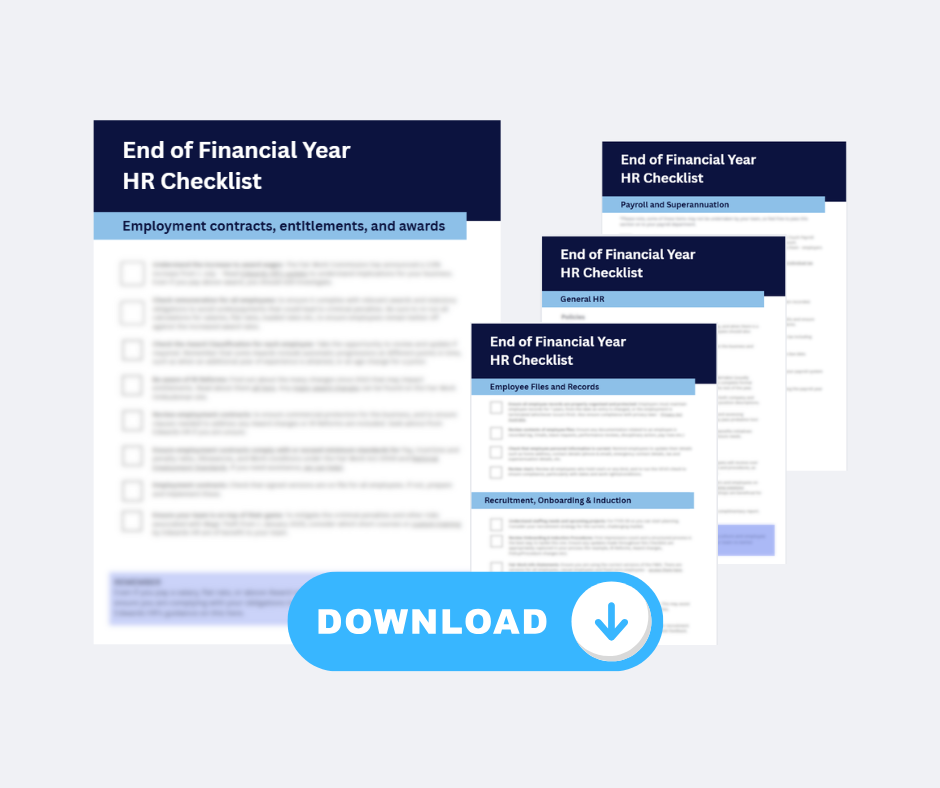
End of Financial Year – HR Checklist
A tool to help effectively maintain and improve your HR function this EOFY. Covering all the fundamental aspects of HR, to ensure you are taking proactive measures that will set your team and business up for success for the year ahead.
National Wage Increase – Quick Compliance Tips for Employers
What employers need to do following the 2026 wage increase, including reviewing pay rates, Award classifications, payroll settings, and employment records to ensure compliance.