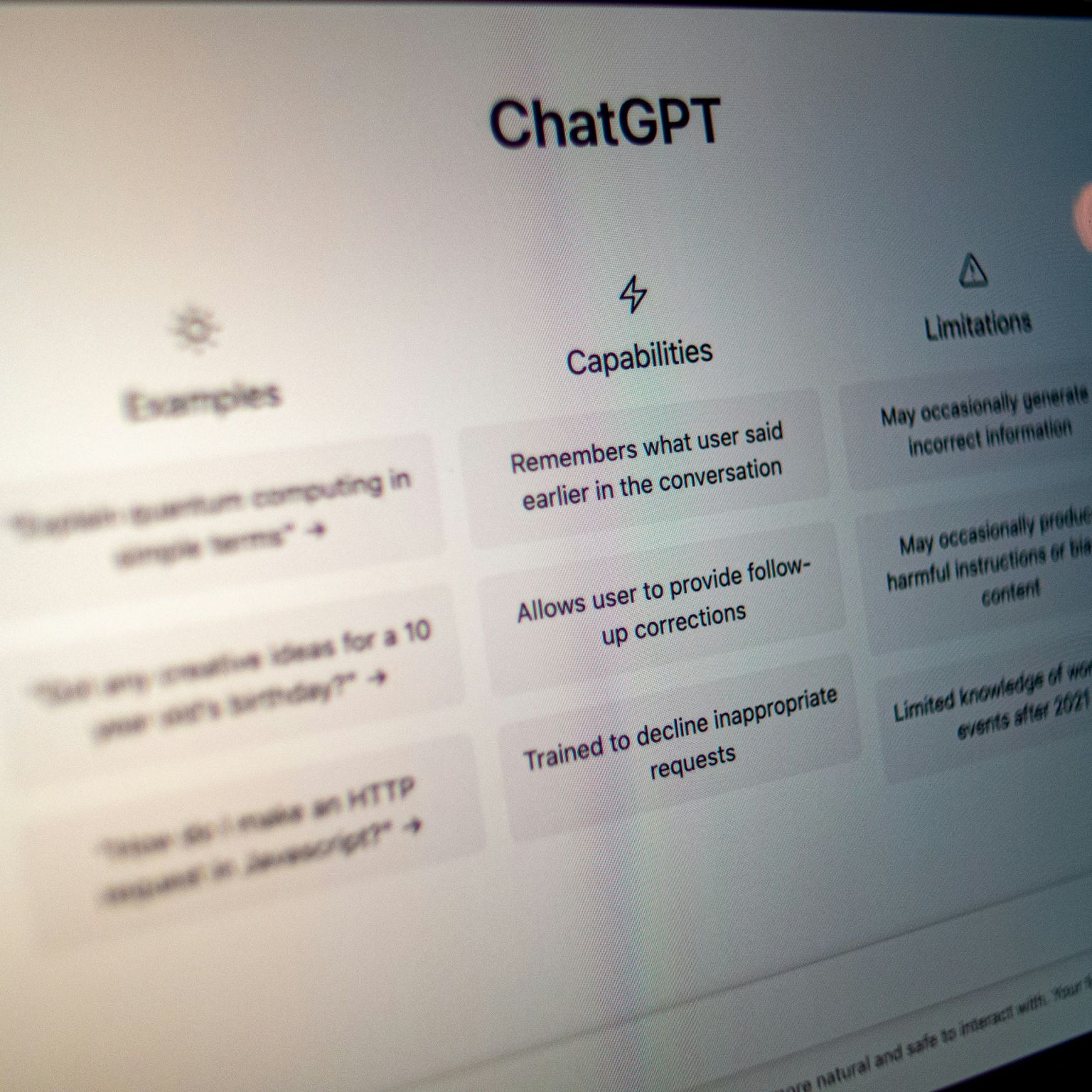
Is AI about to change the way workplace claims are handled?
The use of AI in the workplace is evolving quickly, and it’s worth understanding both the opportunities and the risks.

The use of AI in the workplace is evolving quickly, and it’s worth understanding both the opportunities and the risks.
If passed, eligible employees may be entitled to work from home up to two days per week, with employers required to justify why workplace attendance is necessary. Learn what the proposed reforms mean for your business and how to prepare.
A 6% increase to the National Minimum Wage and a 4.75% increase to minimum award wages from 1 July 2026. Impact award-covered employees, salaried arrangements, flat rates and enterprise agreements, requiring employers to review their remuneration practices.
From shifting employee expectations and ongoing skills demand to migration settings and infrastructure investment, the Budget provides useful insight into where the labour market is heading and what businesses may need to plan for next.
Wages are rising in July. Employers must prepare now to stay compliant. Discover the changes and how to get ready in our latest update.
If a casual employee has been working on a regular and systematic basis and meets the minimum employment period, they may still be able to submit an unfair dismissal claim.
Employees are now using AI tools to create highly structured, legally framed submissions, increasing the pressure on employers early in the process.
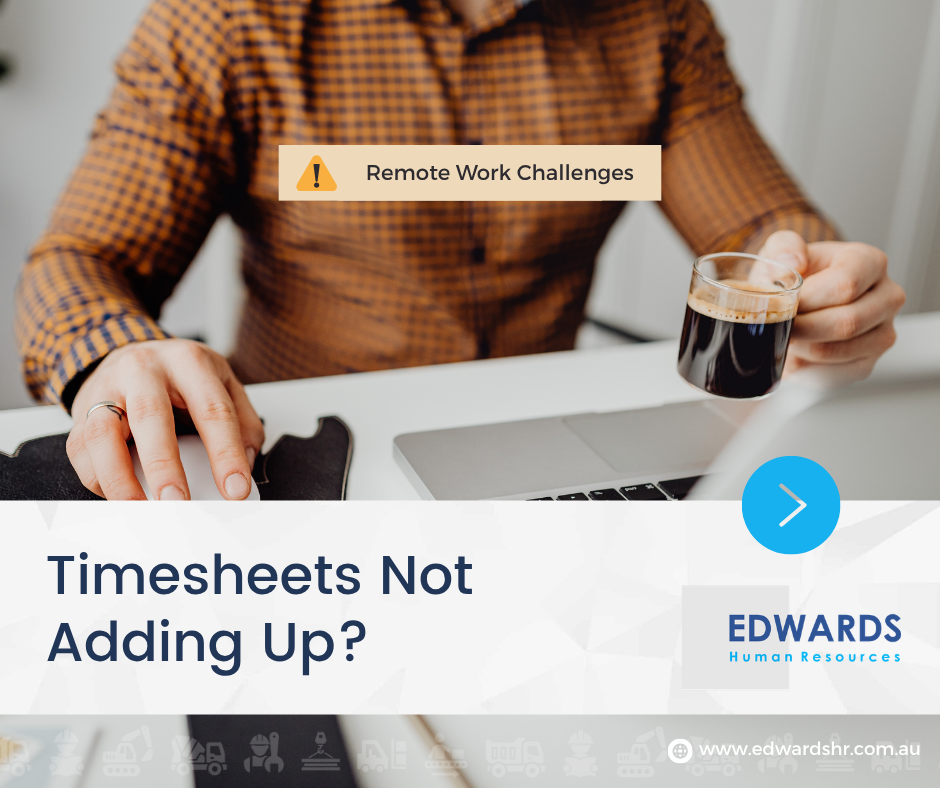
An IT manager lost his job after falsifying timesheets while working from home. Monitoring tools revealed he logged in for as little as 10 minutes a day while claiming full hours.

This case was about risk, accountability, and what happens when compliance obligations are not taken seriously. Something we can help businesses avoid/minimise the risk from this case.

The Fair Work Commission is developing a working-from-home clause in the Clerks Award, expected in 2026. This could affect hours, breaks, allowances, and flexible work arrangements. Here’s what employers need to know and how to prepare.
The use of AI in the workplace is evolving quickly, and it’s worth understanding both the opportunities and the risks.
If passed, eligible employees may be entitled to work from home up to two days per week, with employers required to justify why workplace attendance is necessary. Learn what the proposed reforms mean for your business and how to prepare.
A 6% increase to the National Minimum Wage and a 4.75% increase to minimum award wages from 1 July 2026. Impact award-covered employees, salaried arrangements, flat rates and enterprise agreements, requiring employers to review their remuneration practices.
From shifting employee expectations and ongoing skills demand to migration settings and infrastructure investment, the Budget provides useful insight into where the labour market is heading and what businesses may need to plan for next.
Wages are rising in July. Employers must prepare now to stay compliant. Discover the changes and how to get ready in our latest update.
If a casual employee has been working on a regular and systematic basis and meets the minimum employment period, they may still be able to submit an unfair dismissal claim.
Employees are now using AI tools to create highly structured, legally framed submissions, increasing the pressure on employers early in the process.
An IT manager lost his job after falsifying timesheets while working from home. Monitoring tools revealed he logged in for as little as 10 minutes a day while claiming full hours.
This case was about risk, accountability, and what happens when compliance obligations are not taken seriously. Something we can help businesses avoid/minimise the risk from this case.
The Fair Work Commission is developing a working-from-home clause in the Clerks Award, expected in 2026. This could affect hours, breaks, allowances, and flexible work arrangements. Here’s what employers need to know and how to prepare.