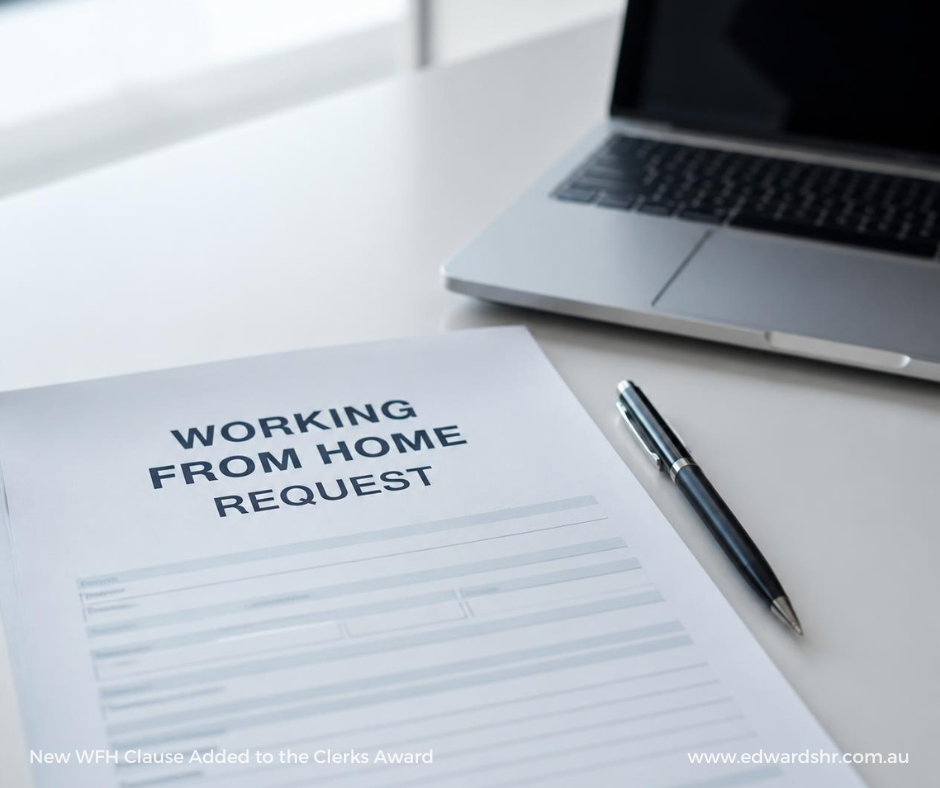
New WFH Clause Added to the Clerks Award: What Employers Need to Know
From 26 October 2026, a new working-from-home clause will apply under the Clerks—Private Sector Award 2020. Here’s what employers need to know about requests, written agreements and reviewing existing arrangements.
Can You Discipline or Dismiss an Employee for Taking Sick Leave?
This Fair Work case highlights why managers need to understand employee leave entitlements before reacting to an absence. Here’s what employers need to know.
Thinking about demoting an employee? 5 things to check first
Before changing their role, responsibilities or pay, there are a few things employers should check first. From the employment contract to the applicable award and the reason for the demotion, getting the groundwork right can help avoid a much bigger HR problem.

When Does a Demotion Become a Dismissal?
A demotion doesn’t automatically mean an employee has been dismissed. But where a change significantly reduces an employee’s duties, responsibility or remuneration, the situation can become more complicated.

When Should Your Business Bring in External Help for a Workplace Investigation?
Discover the key signs it’s time to bring in an external workplace investigator and how early advice can help ensure a fair, compliant and defensible process.
Can I terminate an employee during probation?
They’re still on probation, so can’t we just let them go?
It’s a question we hear from employers when a new hire isn’t quite working out.
Christmas Workplace Planning Guide for Employers
From shutdown arrangements and employee leave to rostering, public holidays and Christmas parties, a little planning now can save you a few headaches later.
Can I stand down an employee without pay?
Stand downs without pay are only permitted in certain circumstances, and getting the requirements wrong can leave an employer facing a dispute or claim.
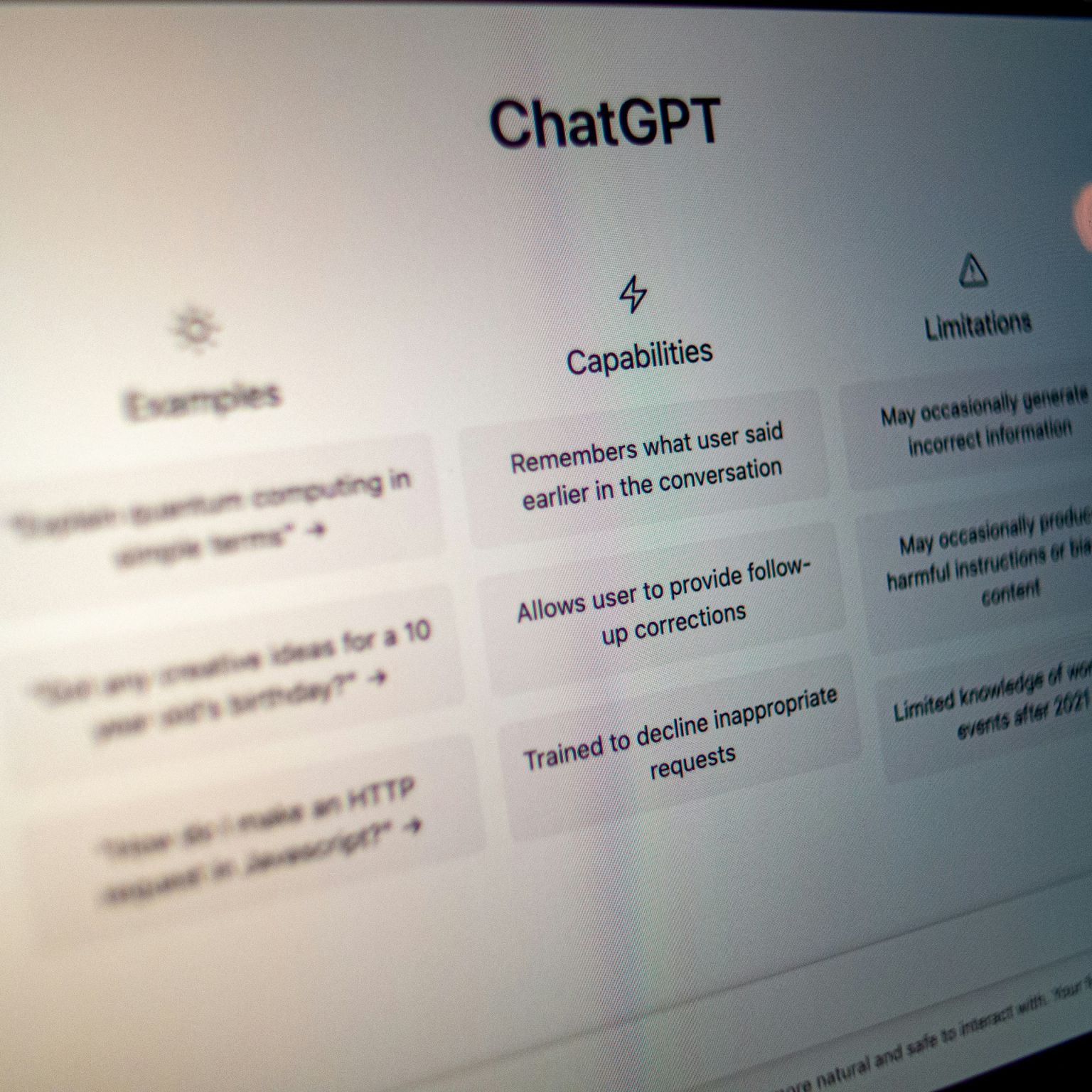
Is AI about to change the way workplace claims are handled?
The use of AI in the workplace is evolving quickly, and it’s worth understanding both the opportunities and the risks.
What happens if I underpay employees?
If you discover an underpayment, acting quickly is essential. Here’s what employers need to know about their obligations and the steps they should take to resolve the issue.
New WFH Clause Added to the Clerks Award: What Employers Need to Know
From 26 October 2026, a new working-from-home clause will apply under the Clerks—Private Sector Award 2020. Here’s what employers need to know about requests, written agreements and reviewing existing arrangements.
Can You Discipline or Dismiss an Employee for Taking Sick Leave?
This Fair Work case highlights why managers need to understand employee leave entitlements before reacting to an absence. Here’s what employers need to know.
Thinking about demoting an employee? 5 things to check first
Before changing their role, responsibilities or pay, there are a few things employers should check first. From the employment contract to the applicable award and the reason for the demotion, getting the groundwork right can help avoid a much bigger HR problem.
When Does a Demotion Become a Dismissal?
A demotion doesn’t automatically mean an employee has been dismissed. But where a change significantly reduces an employee’s duties, responsibility or remuneration, the situation can become more complicated.
When Should Your Business Bring in External Help for a Workplace Investigation?
Discover the key signs it’s time to bring in an external workplace investigator and how early advice can help ensure a fair, compliant and defensible process.
Can I terminate an employee during probation?
They’re still on probation, so can’t we just let them go?
It’s a question we hear from employers when a new hire isn’t quite working out.
Christmas Workplace Planning Guide for Employers
From shutdown arrangements and employee leave to rostering, public holidays and Christmas parties, a little planning now can save you a few headaches later.
Can I stand down an employee without pay?
Stand downs without pay are only permitted in certain circumstances, and getting the requirements wrong can leave an employer facing a dispute or claim.
Is AI about to change the way workplace claims are handled?
The use of AI in the workplace is evolving quickly, and it’s worth understanding both the opportunities and the risks.
What happens if I underpay employees?
If you discover an underpayment, acting quickly is essential. Here’s what employers need to know about their obligations and the steps they should take to resolve the issue.